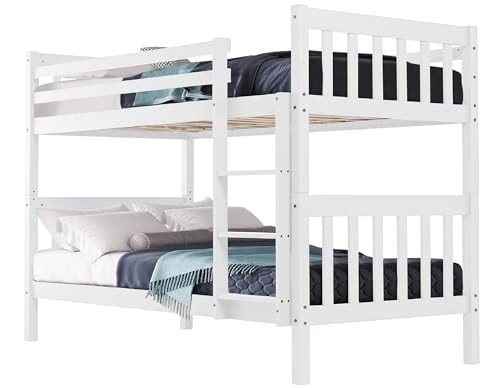
Bunk Beds UK: Maximizing Space and Style in British Homes
In the ever-evolving landscape of modern-day living, space optimization has actually become a vital factor to consider, specifically within the compact measurements of numerous UK homes. For households, especially those with several children, the challenge of producing comfortable and practical bed rooms can be significant. This is where the modest yet innovative bunk bed becomes a champion of space-saving design. Bunk beds, a useful and typically stylish solution, have long been a staple in British households, offering a smart way to double the sleeping capacity of a room without compromising valuable flooring area.
More than simply a space-saving solution, bunk beds have actually evolved from easy dormitory needs to versatile furniture pieces that can enhance the visual appeals of a child's bedroom or even a visitor space. Offered in a myriad of designs, products, and configurations, the modern bunk bed market in the UK deals with varied needs and tastes. From traditional wood frames to streamlined metal structures, from basic two-tier models to elaborate designs integrating desks, storage, and play locations, there is a bunk bed to suit nearly every home and choice.
This short article explores the world of bunk beds in the UK, exploring their various types, benefits, safety considerations, styling alternatives, and essential elements to consider when picking the perfect model for your home. Whether you are furnishing a child's bed room, enhancing a visitor space, or just looking for a space-efficient sleeping option, understanding the subtleties of bunk beds can empower you to make a notified and rewarding option.
The Space-Saving Marvel: Why Bunk Beds are Perfect for UK Homes
The main allure of bunk beds, particularly in the context of UK homes where area can frequently be at a premium, is their unrivaled ability to maximize vertical space. By stacking 2 beds vertically, bunk beds effectively halve the footprint needed for sleeping arrangements. This freed-up floor area can be transformative, especially in smaller bedrooms.
Consider these space-saving advantages:
- Increased Floor Space: The most obvious benefit is the significant increase in functional flooring space. Rather of 2 beds occupying a big portion of the space, a bunk bed consolidates sleeping locations, leaving sufficient space for play, study, or additional furnishings like desks, wardrobes, or toy storage. This is especially useful in shared bed rooms where children require space to move and pursue their individual activities without feeling confined.
- Enhanced Room Functionality: Bunk beds transform the functionality of a room. What was when solely a sleeping area can end up being a multi-functional area. With more flooring space readily available, the space can accommodate various zones for sleeping, playing, studying, or even relaxing.
- Suitable for Smaller Homes: In the UK, lots of homes, particularly in city locations, include smaller sized bed rooms. Bunk beds are a lifeline in these circumstances, enabling families to comfortably accommodate children without sacrificing comfort or performance. They are also outstanding for visitor spaces in smaller sized homes, using additional sleeping capability without permanently dominating the room's space.
- Creative Room Layouts: By efficiently making use of vertical area, bunk beds enable more imaginative and flexible space designs. Furnishings plan ends up being less constrained, and you can check out various spatial configurations to enhance circulation and aesthetic appeals.
Checking out the Variety: Types of Bunk Beds Available in the UK
The UK bunk bed market uses a varied variety of styles and setups to accommodate different needs and spatial arrangements. Comprehending the various types is essential for making the best option.
Here are some popular kinds of bunk beds offered in the UK:
Standard Bunk Beds: The timeless style, including 2 beds stacked directly on top of each other. These are space-efficient and simple, ideal for the majority of bed rooms.
- Pros: Most space-saving option, usually more budget-friendly, basic and timeless style.
- Cons: Can feel less spacious for the individual on the bottom bunk, ladder access can often be less hassle-free.
L-Shaped Bunk Beds: In this design, the lower bed is located perpendicularly to the upper bed, creating an "L" shape. This setup provides more headroom for the individual on the lower bunk and creates an unique separation between the sleeping locations.
- Pros: More headroom on the lower bunk, aesthetically more open, can create a sense of personal privacy.
- Cons: Requires more floor area compared to basic bunk beds, may not be ideal for really narrow spaces.
Triple Bunk Beds: Designed to sleep 3 individuals, these can be configured in different methods. Some function three beds stacked vertically, while others might have two bunks and a trundle bed, or an L-shaped configuration with a 3rd bed included.
- Pros: Ideal for big families or shared bedrooms with three children, maximizes sleeping capacity significantly.
- Cons: Can be rather high and enforcing, requires adequate ceiling height, access to the leading bunk can be tough.
Trundle Bunk Beds: These feature a standard bunk bed design with an additional pull-out bed (trundle) located below the lower bunk. The trundle is usually on wheels and can be quickly rolled out when needed and kept away when not in usage.
- Pros: Offers versatile sleeping capability for occasional visitors or pajama parties, space-saving when the trundle is kept, provides an extra bed without permanently taking up room.
- Cons: Trundle bed mattresses are often thinner for storage, might need more flooring area to pull out the trundle.
Futon Bunk Beds: These integrate a standard upper bunk bed with a futon or couch bed on the bottom. The futon can be utilized as a seating location throughout the day and converted into a bed during the night.
- Pros: Multi-functional, offers both sleeping and seating area, suitable for teenager's spaces or guest spaces.
- Cons: Futon beds might be less comfortable than traditional bed mattress for some, the lower location might feel less large with the futon in place.
Loft Beds (Technically Bunk-Related): While not strictly bunk beds, loft beds are typically considered in the exact same classification for their space-saving homes. A loft bed is a single bed raised high enough to create practical area below, which can be used for a desk, storage, a backyard, and even a seating nook.
- Pros: Extremely versatile in using vertical area, develops a devoted workspace or play location beneath the bed, uses a sense of personal privacy for the sleeping area.
- Cons: Only sleeps someone, not ideal for shared bed rooms needing several sleeping spaces, access to the raised bed requires a ladder.
Materials, Construction, and Safety: Key Considerations for Bunk Beds
The materials and building of a bunk bed are vital, not only for durability however also for safety, specifically when children are included. In the UK, bunk beds need to adhere to certain safety requirements, ensuring they are robust and created to minimize dangers.
- Products: Common materials include solid wood (pine, woods like oak or beech), metal (generally steel), and composites. Wooden bunk beds frequently use a traditional and warm visual, while metal frames tend to be more modern and often more economical. Strong wood is normally thought about more resilient, while metal can be extremely tough and resistant to wear.
- Building and construction Quality: Look for well-constructed bunk beds with strong frames, safe joints, and robust ladder accessories. The bed needs to feel stable and wobble-free when assembled. Inspect reviews and item descriptions for information on construct quality and consumer feedback.
- Safety Standards: In the UK, bunk beds must ideally adhere to appropriate security requirements, such as BS EN 747-1:2012+A1:2015 (Safety requirements for bunk beds and high beds - Part 1: Safety requirements). Checking for certifications or compliance with these requirements provides peace of mind concerning the bed's safety functions.
- Vital Safety Features:
- Guardrails: Essential for the top bunk, guardrails need to be adequately high and continuous to prevent falls. Try to find sturdy, firmly connected guardrails that meet security requirements.
- Ladder: The ladder must be robust, safely connected, and simple to climb. Think about ladder placement-- straight ladders are space-saving, while angled ladders might be much easier for more youthful children to use.
- Slat Strength: The slats supporting the mattresses should be strong and adequately spaced to provide proper mattress assistance and avoid sagging.
- Weight Limits: Always follow the manufacturer's weight limitations for both the upper and lower bunks. Straining can jeopardize the structural integrity and safety of the bed.
Styling and Design: Bunk Beds as a Feature in the Room
Bunk beds are no longer relegated to purely functional functions; they can be stylish focal points in a room's decoration. In the UK market, you can find bunk beds in a range of designs to match various interior visual appeals.
- Styles: From traditional and standard designs in natural wood surfaces to modern and minimalist metal frames, and Scandinavian-inspired clean lines, there's a style to match numerous choices. Themed bunk beds, like those looking like buses, homes, or castles, are likewise popular, especially for younger children's spaces, adding a spirited aspect.
- Colours and Finishes: Bunk beds are available in a series of colours, from neutral whites, greys, and natural wood tones to bolder tones like blues, pinks, and greens. Surfaces can vary from painted surfaces to natural wood spots and metal powder coatings. Select colours and finishes that balance with the room's existing decoration and colour palette.
- Incorporating with Décor: Consider how the bunk bed will incorporate with the general space style. You can choose bed linen, curtains, and accessories that match the bunk bed's design and colour. Utilizing storage services created to fit under bunk beds or incorporating storage drawers into the bunk bed frame itself can improve both functionality and looks.
Choosing the Right Bunk Bed: Factors to Consider
Choosing the ideal bunk bed for your UK home involves mindful consideration of various factors to guarantee it meets your needs in regards to space, functionality, security, and design.
- Space Size and Layout: Measure the space dimensions precisely, including ceiling height. Ensure the selected bunk bed size and type will fit comfortably, leaving appropriate area for movement around the bed and other furniture. Think about the placement of doors, windows, and radiators when planning bunk bed positioning.
- Variety of Children and Ages: Determine how numerous children will be using the bunk bed and their ages. Age is a crucial safety element, as leading bunks are typically not suggested for children under six years of ages. Consider the long-lasting needs as children grow-- will the bunk bed still appropriate in a couple of years?
- Design Preferences and Room Décor: Choose a bunk bed style and material that complements the general design of the room. Consider whether you prefer a wooden or metal frame, and what style (traditional, contemporary, themed) best suits your taste.
- Spending plan: Bunk beds are readily available across a variety of rate points. Set a spending plan in advance and explore options within that variety. Keep in mind to focus on security and quality, even when working with a tighter spending plan.
- Features and Functionality: Consider any extra functions you might need, such as integrated storage drawers, desks, or trundle beds for extra sleeping capability. Think about the room's particular requirements-- is storage a top priority, or is optimizing floor area the main goal?
- Assembly and Delivery: Check whether the bunk bed comes flat-packed and needs self-assembly, or if assembly services are available. Think about delivery alternatives and any prospective delivery charges, specifically if purchasing online.
Where to Buy Bunk Beds in the UK
Bunk beds are extensively available from numerous merchants in the UK, both online and in physical shops.
- Major Furniture Retailers: Large furnishings chains like Argos, Wayfair, IKEA, Bensons for Beds, Dreams, and Furniture Village provide a broad choice of bunk beds in numerous designs and cost ranges. These sellers frequently have online shops and physical showrooms where you can view products.
- Online Marketplaces: Online marketplaces like Amazon and eBay also host many sellers providing bunk beds. Compare prices and read evaluations thoroughly when purchasing from these platforms.
- Specialized Bunk Bed Retailers: Some merchants specialize particularly in bunk beds and children's furniture, offering a curated choice and expert guidance. Searching online for "bunk bed merchants UK" can reveal specialist shops.
- Local Furniture Stores: Don't ignore local independent furniture stores, which may provide unique bunk bed styles and customized service.
Conclusion: Bunk Beds - A Smart Choice for UK Homes
Bunk beds stay a consistently popular and practical furniture service in the UK, especially for families looking for to optimize area and functionality in their homes. From space-saving performance and diverse styles to enhanced room aesthetic appeals and versatile functionalities, bunk beds provide a wide variety of advantages. By thoroughly considering the different types, safety aspects, styling alternatives, and your particular needs, you can with confidence select the best bunk bed to create a comfortable, elegant, and space-optimized sleeping environment in your UK home. Embrace the ingenuity of vertical design and unlock the capacity of your rooms with the ageless appeal of the bunk bed.
Frequently Asked Questions about Bunk Beds in the UK
1. Are bunk beds safe for children?
Yes, when chosen and used properly, bunk beds are safe. Ensure the bunk bed meets UK security requirements (like BS EN 747), has strong guardrails on the top bunk, a safe ladder, and is put together correctly. Top bunks are not suggested for children under 6 years of ages.
2. What is the advised age for sleeping on the leading bunk?
It is typically recommended that children ought to be at least 6 years old before sleeping on the leading bunk. This is because of safety issues relating to succumbs to younger children who might not have the required coordination and awareness.
3. What mattress size do bunk beds typically use in the UK?
Most bunk beds in the UK are developed to accommodate standard UK single bed mattress, which determine around 90cm x 190cm (3ft x 6ft3"). Constantly check the producer's specs for the specific mattress size required. Mattress depth is likewise essential for top bunks-- guarantee the bed mattress is not too thick to keep adequate guardrail height.
4. How much area do I need around a bunk bed for safety and benefit?
Allow a minimum of 60-75cm (24-30 inches) of clear space around the bunk bed for safe gain access to and egress. Guarantee there suffices headroom for the person on the bottom bunk and appropriate clearance between the top bunk and the ceiling (ideally a minimum of 75cm/30 inches).
5. Can grownups oversleep bunk beds?
Some bunk beds are developed to accommodate adults, particularly those with tough frames and higher weight capacities. Examine the maker's weight limit specifications to make sure the bunk bed appropriates for adult usage. Herbert Slemmer are typically popular for adults in smaller areas.
6. Are bunk beds tough to assemble?
Assembly trouble differs depending on the bunk bed design and maker. The majority of bunk beds are flat-packed and require self-assembly. Follow the producer's instructions thoroughly. Some merchants provide assembly services for an extra cost if you prefer professional setup.
7. How do I clean up a bunk bed?
Regular cleansing keeps bunk beds hygienic and looking their best. Dust wood or metal frames regularly with a soft fabric or duster. Clean down surface areas with a damp cloth and moderate cleansing option as needed. Vacuum bed mattress routinely. For spills, clean them quickly according to the bed mattress and product care directions.